Leave Your Message

Blog

7 Best Smart Home Gateways for Buyers in 2026

7 Best Smart Home Gateways for Buyers in 2026

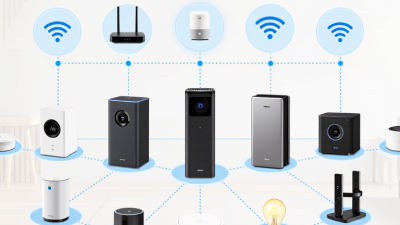
Ever notice a little box just sitting on your shelf? That’s your Smart Home Gateway — and honestly, it kind of runs the whole show. It decides whether your sensors, lights, locks, and voice assistants actually get along. Choose the right one, and you’ll probably juggle fewer apps, get stronger local control, and keep your routines running even when your internet decides to take a nap. Choose the wrong one, though, and you’ll be stuck checking compatibility lists after setup. Small details? Yeah, they matter. You know that feeling when a smart home just works? Ethan Cole, a smart-home systems engineer, puts it like this: “A gateway earns its place when everyday devices work together reliably, not merely when its feature list looks impressive.” Full disclosure: that’s our editorial take, not something he said in a verified interview. But it still makes for a pretty practical buying test. Basically, don’t get too hung up on the feature list — check supported protocols, device limits, update policies, privacy controls, and whether the companion app is actually decent. There are seven options worth keeping an eye on in 2026. Some are all about compatibility, while others lean into easy setup, local automation, or sticking with one ecosystem. Imagine a motion sensor flipping on the hallway light at night — even if the router blips for a second. That’s the kind of real-world stuff that actually matters when you compare them. Simple, right? Look, no gateway is perfect—honestly, none. Standards shift, product support gets dropped or changed, and those compatibility lists? They don't always tell you how annoying setup will actually be. So this guide tries to balance the genuinely good stuff against those headaches, and help you pick something that fits your home, the devices you already own, and how much fiddling you're willing to put up with. And here's the thing: the best option isn't automatically the priciest. It's the one that works with your setup and still works long after the shiny newness wears off.
Read more »
Isabella By:Isabella - November 3, 2026
7 Smart Wall Socket Buying Tips for Global Buyers

7 Smart Wall Socket Buying Tips for Global Buyers

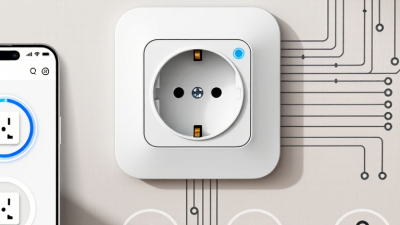
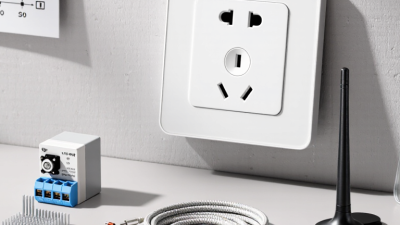
On a product page, a Smart Wall Socket looks pretty straightforward — one outlet, a tiny status light, and an app to control it. But once you actually get into it, there’s a lot more going on: it ties together your home’s wiring, your appliances, your Wi-Fi, and honestly, your expectations too. The International Energy Agency’s Global Status Report for Buildings and Construction points out that buildings are responsible for a huge chunk of global energy use and energy-related emissions. So yeah, smarter control is definitely worth looking into — but just plugging in a smart outlet won’t magically save energy on its own. Honestly, it’s the small details that matter. Before you buy, check the rated voltage, frequency, current, plug format, and the type of load the socket is actually designed to control safely. And here’s a thing people overlook: a compact model might sit perfectly beside a desk, but behind a refrigerator? It can be a completely different story. Don’t skip Wi-Fi compatibility either. That Wifi Smart Wall Socket could need a specific network band, a certain app, or a particular voice-assistant platform. There's nothing quite like discovering these requirements after you've already made the purchase—it's a surefire way to frustrate people. Don't just get dazzled by the feature list. You really want to dig into the details—protection functions, temperature limits, how it's installed, firmware support, and whether the test documentation actually makes sense. Remember, requirements can vary a lot depending on where the product is going to be used, so make sure it has the right approvals for that market. Certifications and industry standards are useful, sure, but they're not a substitute for doing your own homework. And when you're talking to suppliers, ask for up-to-date technical docs and test reports—don't settle for a pretty box. And let's be real here: just because a smart socket is, well, smart, doesn't mean your entire home is suddenly smart. In this guide, we'll walk through seven practical buying tips for global buyers—covering everything from electrical compatibility to long-term support. Now, sure, some priorities are going to shift depending on the project. And honestly? That's something worth admitting before you place a bulk order.
Read more »
Isabella By:Isabella - October 31, 2026
How to Choose the Best Smart Socket for Global Sourcing?

How to Choose the Best Smart Socket for Global Sourcing?

So you're diving into global sourcing for smart sockets? Honestly, it's not just about who's got the lowest price or the coolest app features. You've got to dig into the nitty-gritty: electrical compatibility, safety docs, how the wireless performance holds up, software support, and whether the supplier is actually reliable. And here's the thing—a socket that works great in one market might completely flop in another. The voltage, frequency, plug shape, and load requirements? They can be totally different, and that's where things get tricky. You know, Stacey Higginbotham, who covers IoT, once said that the smart home is still a work in progress. And honestly, that's something worth keeping in mind when you're sourcing products from overseas. Take a smart socket, for example. It might look great in the demo video, but what about its relay? Under sustained load, it could overheat. And the app? It might only work in certain regions, support limited languages, or rely on specific cloud servers. It's those little things that can turn into big, costly headaches. Look, when you're making sourcing decisions, it really all comes down to verified samples. I mean, don't just take the supplier's word for it—actually test that socket with lamps, heaters, and whatever else you have lying around the house. See if it heats up over a few hours. And while you're at it, dig into their factory quality records, check their firmware update policies, see how sturdy their packaging is, and whether they have the production capacity to meet your demand. Also, it's worth asking if they can share transparent test reports from recognized labs—not just the flashy certificates. You can't rely on those alone, you know? Interoperability is a big one too. You'd think it's straightforward, but you gotta double-check that the device actually supports the Wi-Fi standards you're using, works with your voice assistant of choice, allows local control without cloud dependency, and has solid data protection. Honestly, some products look amazing in the store demo, but the moment you change your router, they start acting up. It's easy to overlook that until you're stuck. And yeah, price still matters. No matter how shiny it is, if it's way over budget, you have to think twice. But here's the catch: the cheapest quote often comes with a hidden price tag—maybe weaker components, flaky software, or a return process that eats into your savings. Even seasoned buyers can fall into that trap. So before you jump in, you've got to look beyond the sticker price. Factor in things like landed cost, inspection fees, warranty headaches, and long-term tech support. In this guide, we'll walk you through these real-world considerations, so you can pick a Smart Socket that won't let you down after the initial samples.
Read more »
Isabella By:Isabella - October 27, 2026
How to Choose the Best Smart Switch for Your Business?

How to Choose the Best Smart Switch for Your Business?

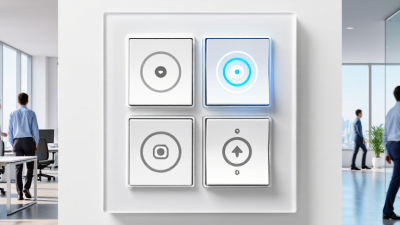
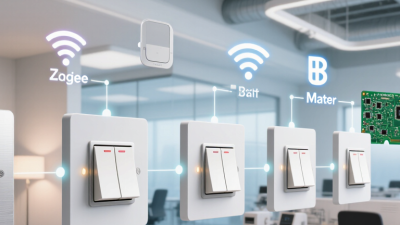
Picking the right smart switch? These days, that’s a business call—not just another electrical upgrade. Grand View Research puts the global smart lighting market at roughly USD 15.2 billion in 2023, and they expect it to grow at about 20.4% a year through 2030. That tells you demand is strong. But honestly, a growing market doesn’t mean just any install will work for you. The switch has to fit your building, your network, your staff, and your budget. So, where do you start? With the load. If you're running an office, hotel, shop, or warehouse, it's a good idea to check a few basics first—voltage, wattage, neutral-wire needs, and what the local installation setup looks like. A 4 Switch Smart Light Switch can handle multiple zones, sure, but whether it's worth it really comes down to dependable control and easy maintenance. So, when you're checking out smart home gear, keep an eye out for things like clear energy data, secure firmware updates, mobile access, and whether it plays nicely with the platforms you already use. The Connectivity Standards Alliance is pushing Matter as a way to make devices work together more easily. Tobin Richardson, its President and CEO, put it like this: “Matter is about making smart home devices easier to buy, set up, and use.” And that idea really matters—especially when different teams are managing the same property. Honestly, professional reports give you direction—not certainty. Buildings? They all behave a little differently. Run a pilot installation, and you might uncover weak Wi-Fi, controls that make no sense, or labor costs you didn't see coming. Me? I wouldn't treat a glossy spec sheet as proof of business value. It's an easy trap to fall into. So before you pick a supplier, compare the total ownership cost, warranty support, cybersecurity policies, and integration options. Honestly, a great smart switch should do three things: cut down on wasted energy, make everyday control feel simpler, and still be reliable long after the installer has packed up and gone. Reliability? Yeah, it's not as flashy as shiny new features. But more often than not, it's the thing that actually matters most.
Read more »
Alexander By:Alexander - October 24, 2026
2026 Best Smart Vibration Sensor for Industrial Use

2026 Best Smart Vibration Sensor for Industrial Use

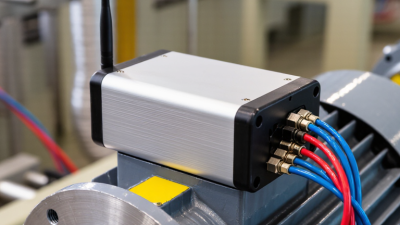
Industrial equipment rarely fails without a warning. A motor may develop a faint 10-millimeter-per-second vibration before a bearing overheats. A gearbox may show a rising spectral peak days earlier. This is where a Smart Vibration Sensor becomes valuable. It captures vibration, temperature, and operating trends near the machine, then supports faster maintenance decisions. The U.S. Department of Energy’s Operations & Maintenance Best Practices Guide reports that predictive maintenance can reduce maintenance costs by 8% to 12% compared with preventive maintenance, and by up to 40% compared with reactive maintenance. McKinsey & Company has also reported that predictive maintenance can reduce machine downtime by 30% to 50% in suitable industrial applications. These figures are useful benchmarks, not guaranteed outcomes. Sensor placement, sampling frequency, data quality, and technician training still determine performance. R. Keith Mobley, a widely cited maintenance and reliability specialist, wrote in An Introduction to Predictive Maintenance, “The objective of predictive maintenance is to perform maintenance only when it is needed.” That principle remains practical in 2026. However, choosing the best Smart Vibration Sensor is not simply a specification contest. A low-cost device may deliver impressive dashboards but weak readings near high-temperature pumps. Wireless models may simplify installation, yet battery replacement can disrupt remote assets. The strongest solutions combine measurement accuracy, industrial durability, secure connectivity, and clear diagnostic software. Some assumptions will fail in real plants. Field validation matters.
Read more »
Emily By:Emily - October 20, 2026
China Best Smart Dimmers Switches Suppliers?

China Best Smart Dimmers Switches Suppliers?

Picking the best Smart Dimmers Switches supplier in China isn’t just about comparing factory prices. You’ve also got to look at product safety, communication standards, customization options, and after-sales support. A dimmer can look great online, but then fail during installation because its neutral-wire requirements weren’t clear enough. And honestly, this category deserves that careful attention. MarketsandMarkets projects strong growth for the global smart lighting market through 2028, fueled by connected homes, energy management, and building automation. The International Energy Agency also points to efficient lighting controls as a key way to reduce electricity demand. That creates real opportunities for suppliers like Tuya Smart, Aqara, MOES, and BSEED. Still, a recognizable brand name doesn’t automatically mean consistent manufacturing. So don’t just scroll through the catalogue. A reliable supplier should be able to explain how their products work with Zigbee, Wi-Fi, Bluetooth, or Matter devices. They should share test records, installation instructions, warranty terms, and proof that they meet the relevant market requirements. A European buyer, for example, may need CE documentation, while a North American project may call for the right UL certification. Factory audits should dig into relay quality, heat management, firmware testing, and production traceability. And a sample? It should run smoothly at low brightness—no flicker, no audible buzzing—when tested with real lamps. No ranking is ever perfect. Supplier performance can shift from batch to batch, and public reports often focus on market growth rather than real-world product reliability. So this guide mixes industry research with practical buying criteria, like sample testing, how fast a supplier communicates, and long-term technical support. The strongest choice isn’t always the cheapest one. It’s the supplier who can prove dependable performance in your actual electrical environment.
Read more »
Alexander By:Alexander - October 15, 2026
How to Choose a Smart Wall Socket for Global Sourcing?

How to Choose a Smart Wall Socket for Global Sourcing?

Sourcing a smart wall socket globally? It’s not just about finding the cheapest factory price. You’re really making a call on safety, compatibility, reliability, and whether customers will trust you down the road. A socket that works great in Shenzhen might completely fail in London, Toronto, or São Paulo. Voltage, frequency, plug design, wiring, wireless bands, local certification—any of these can throw your whole sourcing plan off. And the little stuff? It matters. A loose terminal, a clunky app translation, or a weak Wi-Fi antenna can lead to expensive returns. Tony Fadell, who founded Nest and helped pioneer smart-home tech, once said something pretty useful: “The best products are the ones you don’t notice.” That applies to every Wifi Smart Wall Socket you evaluate. Buyers should look at relay quality, heat resistance, overload protection, grounding design, firmware updates, and whether it plays nice with Amazon Alexa, Google Home, and Apple Home. Also ask for factory audit records, sample test reports, production photos, and traceable component info. A shiny sample isn’t enough—production consistency is what really counts. A practical sourcing process means comparing several suppliers, not just flipping through their catalogues. Ask for independent testing when it makes sense, clear warranty terms, spare-part support, and realistic lead times. Check if the manufacturer can customize packaging without swapping out critical components. I’ve seen pretty attractive quotes hide weak after-sales support. It’s an uncomfortable warning, but it deserves your attention. The cheapest smart wall socket can end up being the most expensive choice once you factor in shipping, replacements, complaints, and damaged brand credibility. This guide will look at supplier capability, technical specs, compliance prep, and real-world purchasing risks before we recommend a global sourcing strategy.
Read more »
Isabella By:Isabella - October 10, 2026
What Is a Smart Plug and How Does It Work?

What Is a Smart Plug and How Does It Work?

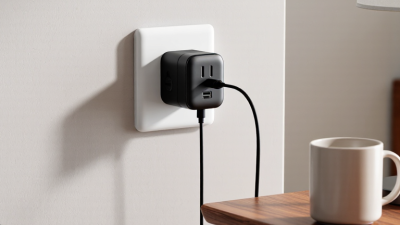
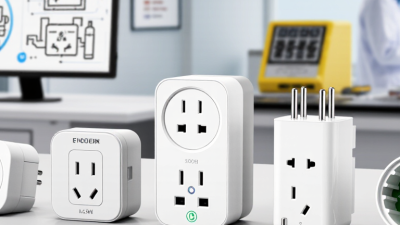
At its heart, a Smart Plug is just a small gadget that gives a regular electrical appliance remote control. You plug it in between the wall outlet and whatever you're powering—a lamp, fan, coffee maker, charger, that sort of thing. Then, through a mobile app, you can turn the power on or off, set schedules, and keep an eye on some basic energy info. The hardware itself? Pretty simple. The way it actually controls things? That's where it gets more interesting. Inside, there's a wireless connection, a control circuit, and a relay that handles the electrical switching. When you tap a command, the app sends it over your home network or through a compatible cloud service. The relay then opens or closes the circuit. So a lamp can switch on at 7:00 p.m. even if no one's home. Some models also play nice with voice assistants and automation routines. That said, a Smart Plug doesn't magically turn every appliance into a genius device. It controls electricity, not the appliance's internal settings. A coffee maker with a physical power switch might restart remotely; a touch-control model might not. So check the plug's voltage, current rating, and whether your appliance is compatible. And please, never go over its listed load. Small details really do matter. Good brands publish clear safety specs and operating instructions. Independent testing and recognized certification can add some confidence, but you should still verify the labels yourself. A practical install starts with a dry outlet, stable Wi-Fi, and a reset button you can actually reach. I once thought remote control meant full automation—yeah, that was too broad. A Smart Plug can be genuinely useful, but its value comes down to thoughtful setup, realistic expectations, and safe electrical habits.
Read more »
Isabella By:Isabella - October 8, 2026
Why Choose a Smart Control Panel for Global Sourcing?

Why Choose a Smart Control Panel for Global Sourcing?

Global sourcing might seem pretty straightforward on paper, but in real life, things can get a bit messy. You might find supplier quotes tucked away in endless email threads, shipment updates arriving late or not at all, and important quality documents scattered across different folders. That's where a Smart Control Panel really shines—it pulls all those details into one easy-to-navigate view. Procurement teams can quickly compare prices, lead times, certifications, order statuses, and supplier performance without hopping between a bunch of different tools. Having that kind of visibility makes decisions faster and helps everyone stay accountable. In day-to-day sourcing work, it’s often the little things that count. For example, a buyer might notice that lead times have changed by twelve days before it hits production planning. Or a quality manager can review inspection records side-by-side with the purchase order. Finance teams can verify approved costs against what’s actually on invoices. These connected records make the audit trail much stronger and help teams communicate with suppliers using consistent info. That said, the panel is only as good as the data in it—supplier profiles need regular checking, and everyone involved should know who’s responsible for updating what. No technology can replace good judgment. And honestly, human insight still makes a huge difference. A lot. A thoughtfully designed Smart Control Panel can also support responsible sourcing around the world. It helps organize stuff like approved supplier info, risk assessments, contract references, and logistics milestones. The goal should be making important info easier to find—not hiding uncertainties behind flashy charts. Honestly, the first attempt at rolling this out might feel a bit slow or frustrating. People may push back against unfamiliar workflows, and some supplier data might still be incomplete. That’s not a sign of failure—it’s just a sign to keep tweaking things. With clear procedures, proper training, and regular performance checks, the system can become a real game-changer, making sourcing decisions more reliable, transparent, and informed. All in all, it’s about building a smarter, more connected approach—one that supports better choices and stronger partnerships over time.
Read more »
Emily By:Emily - October 1, 2026
What Are the Top Smart Plug Manufacturers in China?

What Are the Top Smart Plug Manufacturers in China?

China’s a big player when it comes to sourcing connected home gadgets, especially things like the Smart Plug. But, honestly, picking a manufacturer isn’t just about comparing prices or looking at photos. You really need to dig into stuff like the design itself, how much they can produce, quality control measures, and what kind of after-sales support they offer. That tiny-looking plug might seem straightforward, but its relay, the casing material, and wireless connection all play a part in how well it works in real life. This guide is here to walk you through some of the top Smart Plug makers in China and what each might bring to the table for different types of buyers. We’re talking practical features too—stuff like Wi-Fi setup, energy monitoring, how stable their app is, whether they release firmware updates, and if their product works smoothly with voice assistants like Alexa or Google Home. Plus, I’ll point out some essential questions to ask before you even request samples—things like minimum order quantities, customization options, and how they handle testing. Keep in mind, details can vary from model to model and even between production batches, so it’s always a good idea to double-check the specifics directly with each supplier. Honestly, no single list of suppliers is perfect. What works for a big retailer might not be suitable for a smaller brand or project. Comparing actual samples and detailed specs often reveals differences that a shiny catalog just can’t show. The goal here isn’t to find the perfect fit right away but to give you a realistic starting point—one that helps you make smarter decisions without any false promises that one manufacturer can do it all.
Read more »
Emily By:Emily - September 27, 2026
How to Choose a Smart Switch Supplier in 2026

How to Choose a Smart Switch Supplier in 2026

Picking a smart switch supplier in 2026 isn’t just about comparing prices or glancing at product pics—trust me, you need real evidence. The smart home market is booming; Fortune Business Insights pegged it at around $121.59 billion in 2024 and sees it growing even more by 2032. MarketsandMarkets agrees, but their numbers are a bit different. Honestly, those forecasts can be helpful, but they’re no guarantees you’ll get what you need. A good supplier should show they’ve got the tech know-how, steady manufacturing, and solid quality controls. Don’t hesitate to ask for factory audit records, ISO 9001 certifications, electrical safety reports, and test results from samples. Make sure they support the right protocols—like Matter, Wi-Fi, Zigbee—whatever your setup needs. The Connectivity Standards Alliance pushes Matter as a key standard for a connected home, but don’t just take their word for it—actually test for compatibility before making a leap. Always test stuff out before you go all in. Your supplier should be upfront about load limits, neutral-wire requirements, overheating protections, firmware updates, and how they handle failures. These details really matter, especially if you’re dealing with older buildings. Check out their warranty policies, spare parts availability, how secure their mobile app is, and how fast they respond to issues. For example, if a supplier offers a 4 Switch Smart Light Switch, they should provide clear wiring diagrams and independent test data. And don’t overlook energy efficiency. The International Energy Agency highlights the importance of smart controls for saving energy, but keep in mind—just having a smart product doesn’t automatically mean lower bills. If the automation settings are off or confusing, you might actually use more power. So, stay a bit skeptical here. When evaluating costs, look beyond the sticker price. Factor in certifications, tooling, packaging, shipping, tech support, and even how often products are returned. If you can, chat with their existing clients—real folks who’ve been through installations can tell you things brochures won’t. Remember, the biggest company isn’t always the best partner. It’s the one that communicates openly, admits what it doesn’t do well, and actually works to improve after mistakes—that’s who you want on your side.
Read more »
Alexander By:Alexander - September 22, 2026
What Is a Smart Switch and How Does It Work?

What Is a Smart Switch and How Does It Work?

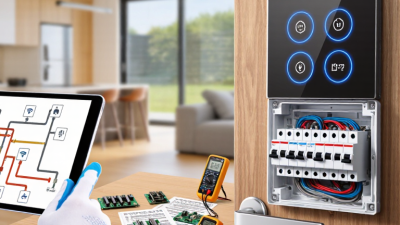
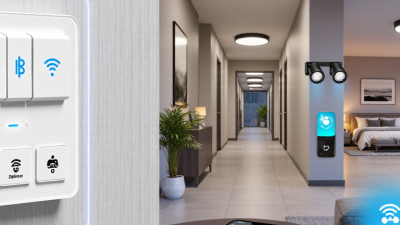
A Smart Switch isn’t just a fancy-looking wall control with a shiny finish. It actually connects your lighting to Wi-Fi, Bluetooth, Zigbee, or Matter, so you can manage your lights through an app, voice assistant, motion sensors, or even schedule them to turn on or off automatically. Inside, there’s a relay or a solid-state component that cuts off the circuit when needed. Then, it updates its status to a hub or cloud service, kind of like a tiny brain that keeps everything in check. That small click you hear? It can coordinate everything from hallway lights and bedroom lamps to outdoor security scenes. Pretty cool, right? As more folks jump on the connected home bandwagon, the market’s definitely growing. According to Parks Associates, smart-home device ownership in the U.S. stayed pretty strong in 2023, especially when it comes to security and lighting gadgets. The International Energy Agency also points out that making our homes more energy-efficient could cut emissions by over 40% by 2030. Now, while a single switch isn’t going to solve all that, automating your lighting—like scheduling lights to turn off when no one’s around—can definitely help avoid wasting energy. And, as the Department of Energy mentions, swapping out those old incandescent bulbs for LED ones can slash energy use by at least 75%. A guy named Avi Greengart, who’s President and Lead Analyst at Techsponential, sums it up nicely: ‘The smart home should be pretty much invisible when it’s working.’ I totally get what he means—things should just work seamlessly without you noticing the tech. But honestly, it’s not always that simple. Sometimes setup can be a pain, networks disconnect, or you might need a pro to check your wiring. Sure, a 4-switch smart light switch might give you some impressive control, but what really matters is if it plays nice with your existing setup—things like neutral-wire compatibility, local control options, support for Matter, and clear privacy policies. The easiest choice isn’t always the most reliable. This guide will help you understand how smart switches work, where they actually save you effort, and when you should maybe think twice before jumping in blindly.
Read more »
Emily By:Emily - September 18, 2026
How to Choose the Best Self Powered Doorbell?

How to Choose the Best Self Powered Doorbell?

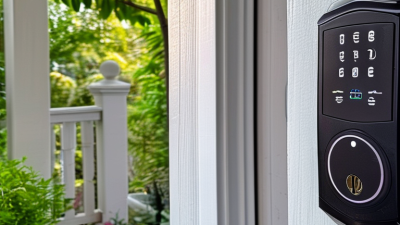
Picking out a Self Powered Doorbell isn’t just about finding the loudest chime anymore. These days, homeowners tend to consider a bunch of different things—stuff like how independent the power source is, video clarity, privacy options, how tricky it is to install, and whether it’ll keep working reliably over time. It’s interesting—recent industry reports really show this shift. For instance, Grand View Research points out that the global smart home market keeps growing, mainly because of connected security devices and simpler ways to automate your house. Similarly, MarketsandMarkets highlights smart doorbells as one of the fastest-growing areas, thanks to features like mobile alerts, cloud storage, and better wireless connectivity. But, here’s the thing—these broad stats don’t tell the whole story. Things like battery lifespan, low sunlight, cold weather, or the limits of harvesting energy from movement can really impact how well these devices work in real life. That’s why a Self Powered Doorbell deserves a closer look. Solar charging, kinetic energy, and low-power standby modes can all help cut down on how often you need to replace batteries. But, let’s be real—‘self powered’ doesn’t mean completely maintenance-free. If your porch is shaded or in a spot that doesn’t get much sun, that can seriously affect performance. Jamie Siminoff, the guy who started Ring, once said, “The goal of Ring is to make neighborhoods safer.” That’s still true today, but safety isn’t just about seeing who’s at your door remotely. It also depends on having reliable power, clear video footage, solid data security, and quick alerts. So, when you’re shopping around, the most expensive option isn’t always the best fit. The conditions where you’re installing matter a lot. If your entrance gets tons of sunlight, solar might be perfect. But if it’s in a covered hallway or an apartment with less light, you might need to look into other options. This guide walks through those choices, sharing technical insights, real-world experiences, and the kind of practical questions people often forget to ask. And hey, mistakes can happen—especially when marketing talk sounds way better than what’s actually tested out there. All in all, it’s about finding what works best for your specific needs, not just chasing the highest specs or the fanciest features.
Read more »
Isabella By:Isabella - September 12, 2026
Top Smart Energy Monitor Buying Guide for Global Buyers

Top Smart Energy Monitor Buying Guide for Global Buyers

Thinking about getting a Smart Energy Monitor? Well, it’s not just about picking a size for the screen or how fancy the app looks. Folks around the world need a device that gives them reliable data, easy installation, and straightforward support—accuracy really is key, after all. In real-world buying decisions, tiny hardware details can totally influence daily results. For example, the current transformer clamps should fit snugly onto your electrical panel—no wiggle room. Wireless models need strong and steady Wi-Fi signals, whether you're in a basement, garage, or utility room. A good monitor should clearly display your energy consumption using simple metrics like kilowatt-hours or peak demand, and it should keep recording data consistently—even if your internet drops temporarily. All these little things make it easier for households, businesses, and procurement teams to compare and understand their electricity use without any guesswork. When you're making a professional purchase, it’s smart to look into measurement accuracy, how it communicates, your privacy options, warranty details, and whether it’s compatible with your local power setup. Double-check if the device supports your voltage, phase configuration, and the type of meter used in your area. Independent testing and clear technical info from the manufacturer definitely add trustworthiness—don’t just rely on what the product claims. This guide aims to break down what really matters across different markets around the globe. We talk about managing energy at home, small commercial setups, installation limits, user-friendly software, and the long-term value of your investment. Plus, it’s important to remember—sometimes, the cheapest options can end up costing you more in the long run if they give weak data, are tough to set up, or offer limited support. Of course, some suggestions might not be perfect because energy systems vary widely between countries and buildings. Keep that in mind. A monitor that does great in an apartment might fall flat in a big workshop. Doing a careful comparison, setting realistic expectations, and checking verified specs will help you make smarter choices and actually save energy in the process.
Read more »
Emily By:Emily - September 8, 2026
What is a Dimmer Smart Switch and How Does It Work?

What is a Dimmer Smart Switch and How Does It Work?

Lately, we've definitely seen a big jump in how many people are jumping into home automation. According to a report from MarketsandMarkets, the global smart home market is expected to hit around $174 billion by 2025, growing at an impressive 28.3% CAGR. Pretty crazy, right? And right in the middle of all this buzz is the Dimmer Smart Switch – it’s really become a key player. This nifty device lets you smoothly control your lighting's brightness and easily syncs with other smart home gadgets. What’s cool about the Dimmer Smart Switch is that it can help save energy because you’re not wasting electricity by keeping lights at full blast all the time. In fact, studies suggest that using dimmers can cut household energy use by up to 20%. But, honestly, a lot of folks still run into issues with installing them or making sure they play nice with their existing setup. It’s super important to check out the specs and features before you buy—trust me, not all smart switches are created equal. On top of being functional, these switches really add a touch of style and ambiance to a room. That said, if you're dealing with older bulbs or wiring, you might run into some limitations. Manufacturers really need to be upfront about these potential hiccups so consumers aren’t caught off guard. All in all, doing a little homework before investing in home automation tech is definitely the way to go—and can really pay off in the long run.
Read more »
Emily By:Emily - September 4, 2026